
The Culture, Not the Complexion. "I am dripping melanin and honey. I am black without apology." — Upile
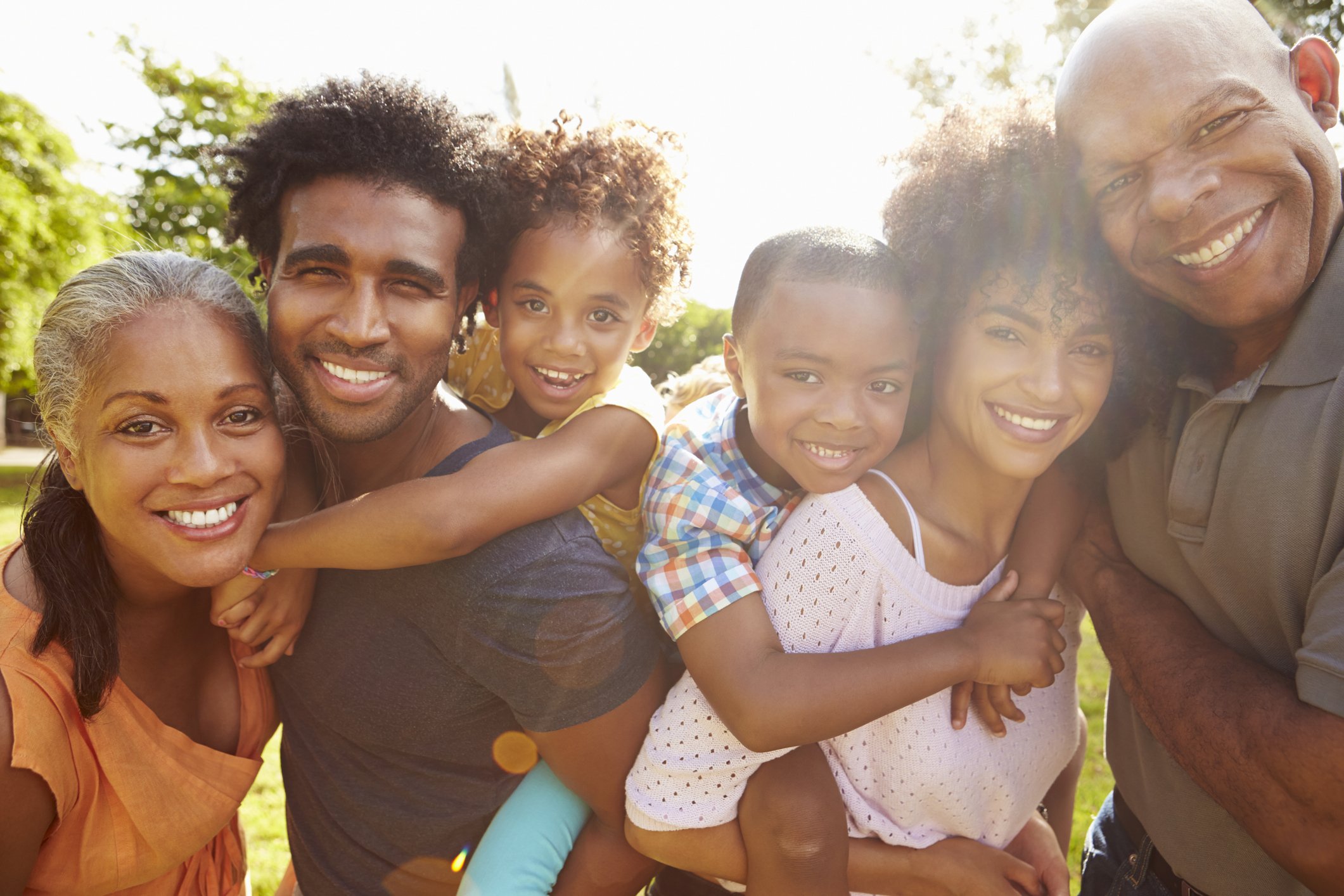
Honey doesn't come in one shade. It's pale gold in one jar and near-black in another, and every jar is still, unmistakably, honey. Summer time is coming to an end, and our babies have changed between each shade! It’s wonderful. This is what I want to talk about and help you consider. The color of your childs skin is and is not important to their sense of belonging within the Black community. This can get complicated, so let me give you a brief overview, and leave you with some food for thought.
Blackness, no matter who tells you otherwise, is not dependent on the levels of melanin detected or visible. Blackness is cultural. It is subconscious. It is a spiritual connection. It is a community knowing-ness. This is why you'll hear people question the validity of Black people raised without Black community, not because their skin is in question, but because access to the culture is. It's seen as evidence of a severing from the source of our collective strength. Like any cultural or spiritual practice, it is difficult to cultivate in isolation. You need to be taught. You need mentors. You need mirrors to see yourself in dimensions other than your own.
So Black skin has very little to do with whether your child is Black. The issue exists inside a deeply racist society, and that society defines Black very differently. It treats Blackness as a commodified identity, given the value the powers that be decide it deserves. Our society is deeply divided right now about the value of any human life. The value of Black lives is traditionally and historically negotiable and always optionally invalid. So it is essential that, as parents of children society will attempt to devalue, you instill the love and stability of the actual culture of being Black, not the ill-fitted, deranged version society will insist your babies accept.
Community is important. Image and representation are extremely important. Knowledge and foundational emotional support are essential. Self-love can be cultivated anywhere, it just needs more support in places where community is sparse.
One important note: please, please, please do not fall into the idea that Blackness, the culture and connection, looks one way. We are not all churchgoers. We are not all basketball players. We are not all dancers. We are not all socially driven to create change for our people. Don't take on more than you can chew. Self-love of our skin in all its shades, our hair in all its coil patterns, our lips, our nose goes a long way. The strength found in difference is somewhere every parent could benefit from leaning into: the idea that your child is part of a much bigger picture, a global majority, in fact. That their difference has strength, and is admired and loved by you, and through you.
When someone attempts to measure your child's Blackness, your child will have enough self-love, respect, and groundedness to know there is no such thing as too Black or not Black enough. Those judgments are projections from people still struggling to hold on to an identity they believe can be compromised. It's okay. It's not your child's battle to fight.
So, for the parents unsure where to start: yes, your children need to experience Black community. Just make sure that exposure is positive and immersive. There are camps, hairdressers, educators to tap into. If they're not in your city, take the time to find where they are and get involved. At the very least know the basics of our culture as fact, not as a side note to your day. Know the beauty, the growth, the positive contributions of Black people from your own area, they're there. Know them nationally too. Start there as your reference point, not as a "hey, you should know this," but as naturally as knowing lemons are tart. It just is what it is. Your confidence and your understanding will let your baby stand fully in their own.
Dripping melanin and honey, in every shade. No apology required.
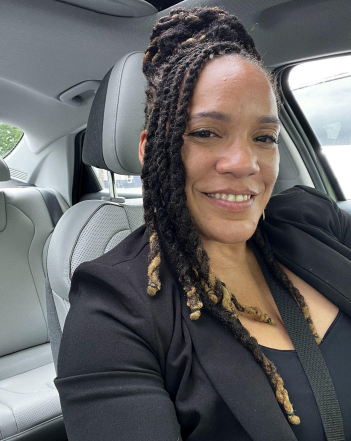
Ayisha Elliott is a mother, grandmother, and relational parenting guide who understands the beautiful complexity of raising Black children in today's world. As a mother of three and grandmother of five—currently raising three of her grandchildren—she brings both lived experience and 25 years of professional expertise in relationship-centered approaches to the everyday realities of parenting across generations. From navigating school systems and cultural identity to managing sibling dynamics and travel logistics with children, Ayisha has learned that the same principles that transform organizations can revolutionize family life. As the content producer of the podcast Black Girl From Eugene, award-winning columnist, and sought-after speaker, Ayisha creates authentic conversations about what it means to raise confident, grounded children while honoring their heritage and preparing them for the world as it is. Her unique perspective comes from successfully balancing entrepreneurship with hands-on parenting, traveling internationally with the children she's raising, and understanding that every parenting decision carries both personal and cultural weight. Through her writing and speaking, Ayisha offers practical wisdom, honest reflection, and relationship-building strategies that help Black families thrive—not just survive—in complex times.